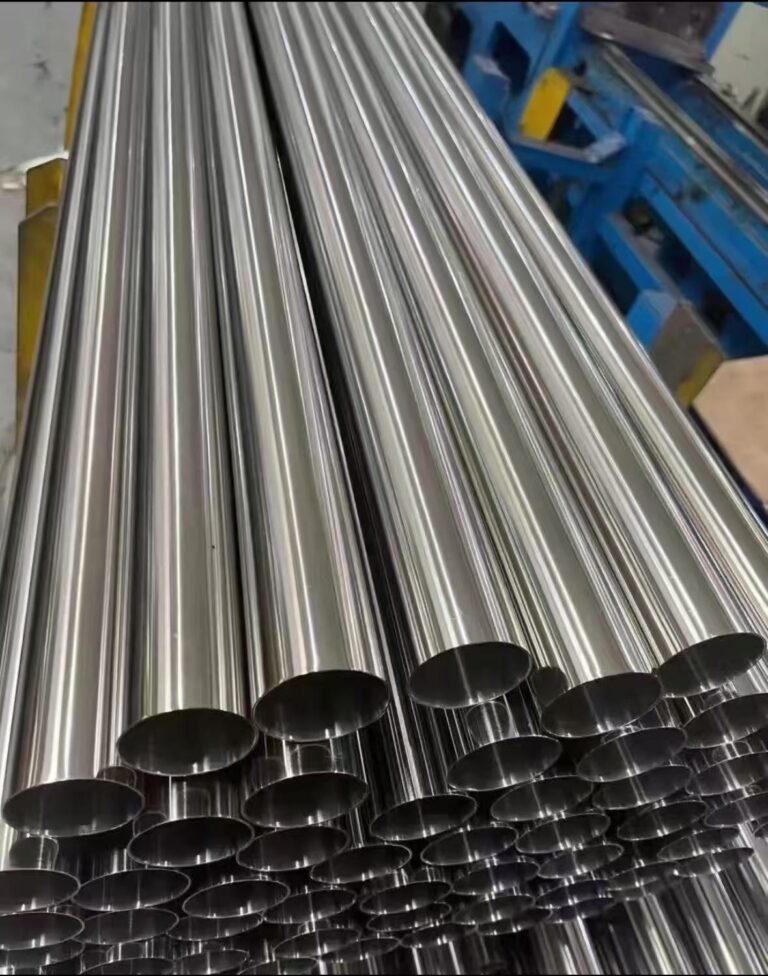


High Volume CNC Step Turning | Precision Stepped Shaft Machining Services

High volume CNC step turning, precision CNC step turning, mass production CNC step turning, CNC stepped shaft machining, multi-diameter step turning, high precision step turning services, Swiss-type CNC step turning, multi-axis CNC turning, tight tolerance step turning, precision shaft manufacturing.
CNC step turning for new energy vehicles, medical devices, aerospace, industrial automation, semiconductor equipment, high precision ±0.002mm tolerance, mass production from 10,000 to millions of pieces per year.
Professional CNC step turning supplier, ISO certified factory, DFM optimization, full inspection, CMM measurement, stable quality, fast delivery, cost-effective mass production solutions.
High volume CNC step turning stands as one of the most critical precision machining processes for mass-producing high-quality multi-diameter stepped shafts, which are widely used in new energy vehicles, medical devices, aerospace systems, automation robots, semiconductor equipment, automotive components, hydraulic systems, sensor modules, battery assemblies, and many other high-tech industrial fields.
Every batch of precision stepped shafts requires stable and consistent dimensional tolerance, perfectly formed square shoulder faces, uniform surface roughness, long-term batch repeatability, ultra-high concentricity, minimal radial runout, and reliable working performance under high-speed rotation and heavy-load operating conditions.
Table of Contents
- • What Is CNC Step Turning?
- • Design Standards for Stepped Shaft Geometry
- • Complete Production Workflow
- • Cutting Parameters & Tool Selection
- • Available Machining Materials
- • Main Industrial Applications
- • Core Advantages & Limitations
- • Step Turning VS Other Processes
- • Production Optimization Methods
- • FAQ about CNC Step Turning
- • Final Summary
What Is CNC Step Turning?
CNC step turning is a highly efficient and precise turning process completed on advanced CNC lathes, Swiss-type automatic machines, and multi-axis turning centers.
This process creates multiple diameter sections, clear and vertical step shoulders, accurate dimensional control, and consistent geometric shapes for high-performance precision stepped shafts.
Design Standards for Precision Stepped Shafts
Shoulder Face Control: The verticality tolerance of each shoulder face is strictly controlled within ≤0.01mm to ensure stable positioning and reliable assembly performance in mechanical systems.
Axial Length Tolerance: For mass production orders, the axial length tolerance is steadily controlled at ±0.02mm to maintain consistent assembly dimensions and product interchangeability.
Sharp Shoulders vs Radiused Fillets: Sharp shoulders are suitable for low-load mechanical components, while radiused fillets are designed for high-load transmission shafts to reduce stress concentration and improve service life.
Complete Production Workflow
- Raw material preparation and automatic bar feeding for continuous and stable production
- Rough step turning to quickly remove excess materials and improve overall processing efficiency
- High-precision shoulder facing and fillet machining to form standard step structures
- Precision finish turning to achieve tight tolerance and excellent surface quality
- In-process sampling inspection every 30 minutes to monitor dimensional stability
- Full CMM dimensional inspection before shipment to ensure 100% qualified products
Cutting Parameters & Tool Selection
Rough turning adopts large cutting depth and high feed speed to achieve high-efficiency material removal and shorten processing cycle.
Finish turning uses small cutting depth and low feed speed to ensure ultra-high precision, perfect surface finish, and stable dimensional consistency.
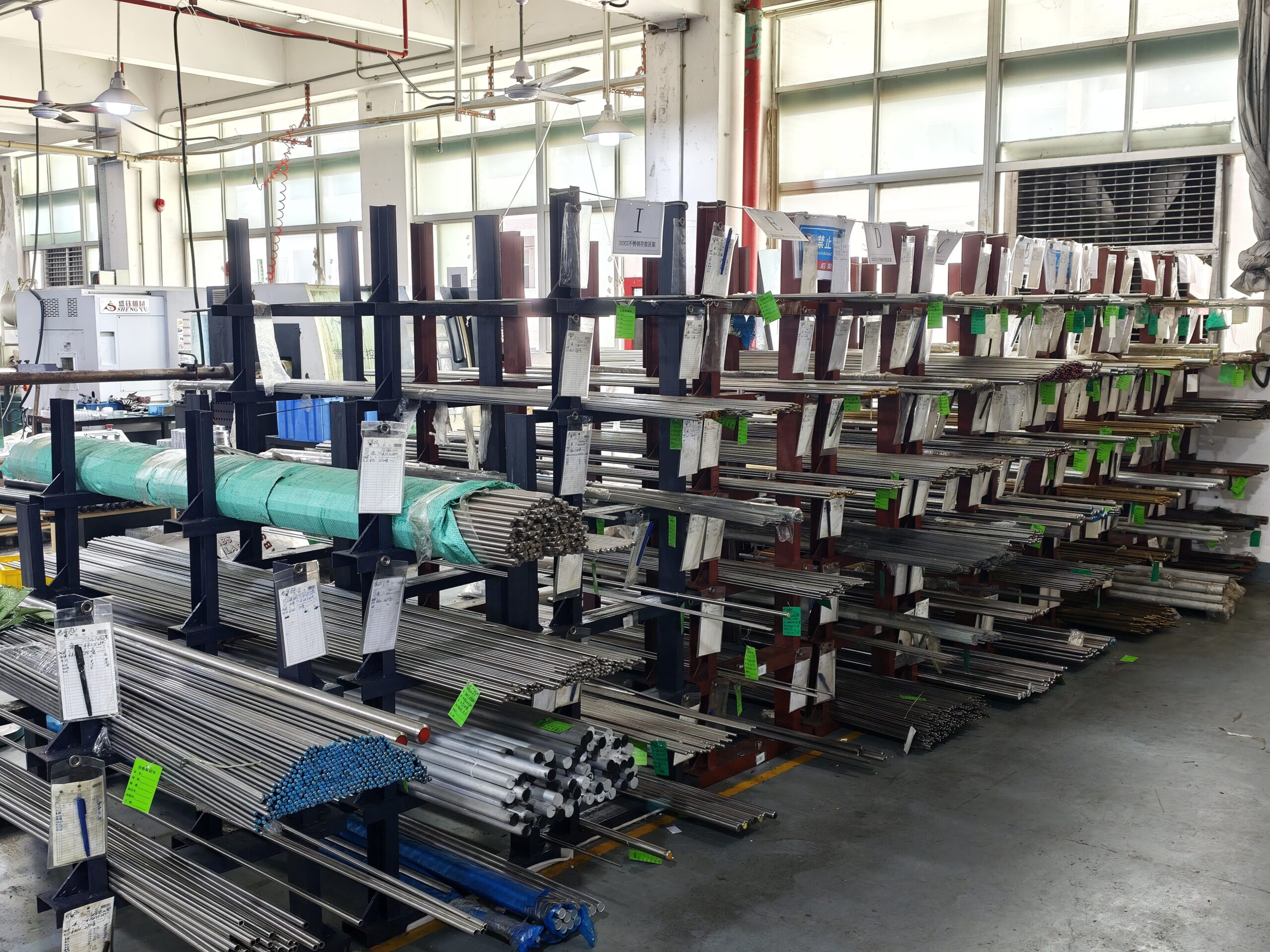
Workpiece Materials
- Carbon Steel: 1045, 12L14 free-cutting steel with excellent machining performance
- Alloy Steel: 4140, 4340 high-strength steel for heavy-load transmission shafts
- Stainless Steel: 303, 316L corrosion-resistant materials for medical and marine parts
- Light Alloys: Aluminum, Brass, Copper for lightweight and high-thermal-conductivity parts
- Special Materials: Titanium, PEEK, POM for high-performance and special applications
Industrial Applications
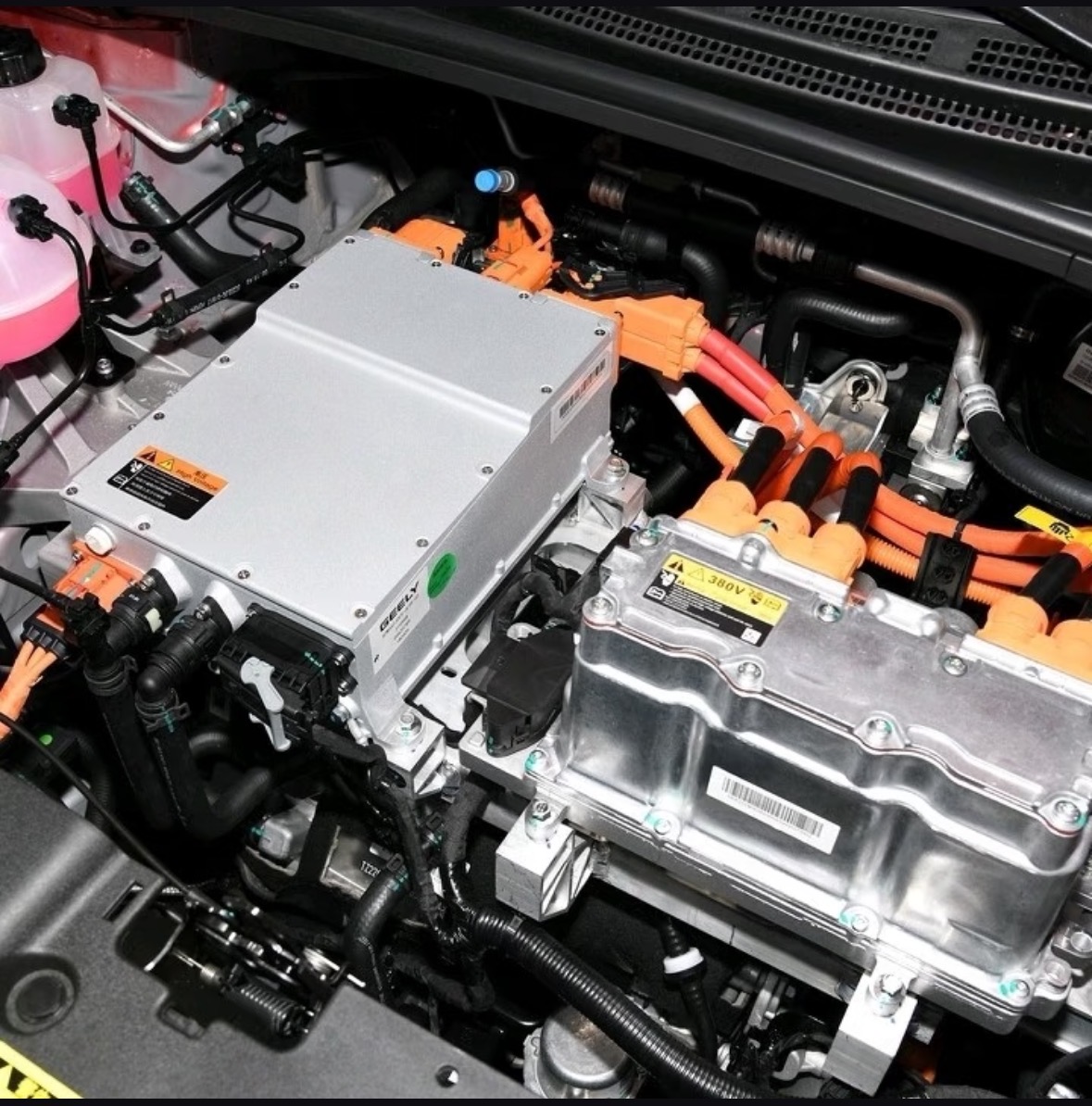
New Energy Vehicles: High-precision motor shafts, sensor pins, hydraulic valve cores, and battery connector components
Medical Devices: Surgical instrument shafts, implant positioning pins, and precision drive shafts
Aerospace & UAV: Actuator shafts, gearbox input shafts, and high-reliability transmission components
Automation & Semiconductor: Robot drive shafts, precision test jigs, and micro-miniature components
Core Advantages
- One-time clamping completes all step machining, avoiding repeated positioning errors
- Ultra-high concentricity and running stability for high-speed rotating parts
- Support 12+ hours unattended automatic production to reduce labor costs
- Tolerance can be controlled down to ±0.002mm for ultra-precision components
- Surface roughness Ra 0.4–1.6μm to meet high-end assembly and appearance requirements
- Scrap rate stably controlled below 0.3% for large-batch mass production
CNC Step Turning VS Other Processes
| Process | Feature |
|---|---|
| CNC Step Turning | Multi-diameter steps + vertical shoulders + high precision for complex shafts |
| Straight Turning | Single uniform diameter for simple cylindrical parts |
Production Optimization
- Free professional DFM design optimization to reduce manufacturing costs
- Customized cutting tools and processing parameters for different materials
- 7-day fast capacity expansion for urgent large-batch orders
- Stable raw material supply chain to ensure batch consistency
- Monthly machine calibration to maintain long-term processing precision
FAQ about CNC Step Turning
Q1: What is the minimum tolerance that professional CNC step turning can achieve?
A1: Our high precision CNC step turning service can reach a minimum tolerance of ±0.002mm, which fully meets the strict requirements of medical, semiconductor, and aerospace industries.
Q2: Can CNC step turning process internal stepped holes on workpieces?
A2: CNC step turning mainly processes external diameters and steps. Internal stepped holes need to be processed through professional CNC boring technology to ensure dimensional accuracy and surface quality.
Q3: What is the most cost-effective material for mass production CNC step turning?
A3: 12L14 free-cutting steel is the most cost-effective material, with excellent processing performance and low cost, widely used for general industrial stepped shafts.
Q4: How do you control the scrap rate in high-volume CNC step turning?
A4: We combine real-time monitoring, regular equipment calibration, optimized parameters, and strict quality inspection to stably control the scrap rate below 0.3%.
Final Summary
High-volume CNC step turning has become an irreplaceable core processing technology for manufacturing precision stepped shafts in new energy, medical, aerospace, automation, and semiconductor industries.
With stable tolerance control, low mass production cost, fast delivery time, and consistent product quality, it has become the first choice for global precision parts buyers.
Get Free DFM Analysis & Quote
Send us your 2D/3D drawings, order quantity, and tolerance requirements, and we will provide a free customized CNC step turning solution with high precision and cost-effectiveness.
Contact Us Now