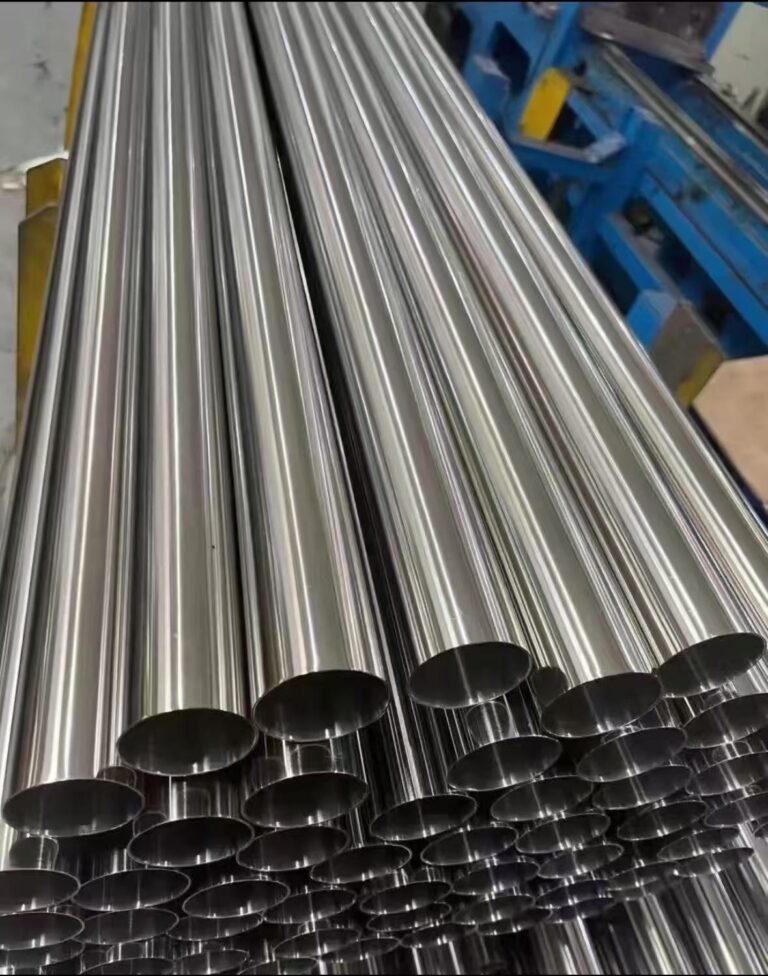


CNC Surface Finish: Ra Roughness, N Grade Standards, Testing & Optimization for Precision Parts

CNC surface finish, CNC surface roughness Ra, stainless steel surface finish, aluminum anodizing, bead blasting finish, brushed metal finish, mirror polishing, high volume precision parts surface treatment, medical component surface finish, automotive shaft surface machining.
Ra 0.4 Ra 0.8 Ra1.6 surface standard, N grade surface scale, profilometer surface testing, step turning part surface finish optimization, Swiss lathe surface machining parameters.
High volume batch surface control, DFM surface finish optimization, ISO certified surface inspection, custom post processing for precision CNC turned components.
Table of Contents
- • Definition of Surface Finish in Precision CNC Machining
- • Classification & Ra/N Grade Surface Finish Scales
- • Surface Finish Conversion Chart & Industrial Practical Applications
- • Custom Finish Options for Stainless Steel CNC Components
- • Four Main Surface Roughness Testing Methods
- • Optimize CNC Parameters to Achieve Target Surface Roughness
- • Practical Mass Production Optimization Cases from Haomaer
- • Comprehensive FAQ on CNC Surface Finish Requirements
- • Final Summary of Custom Surface Treatment Solutions
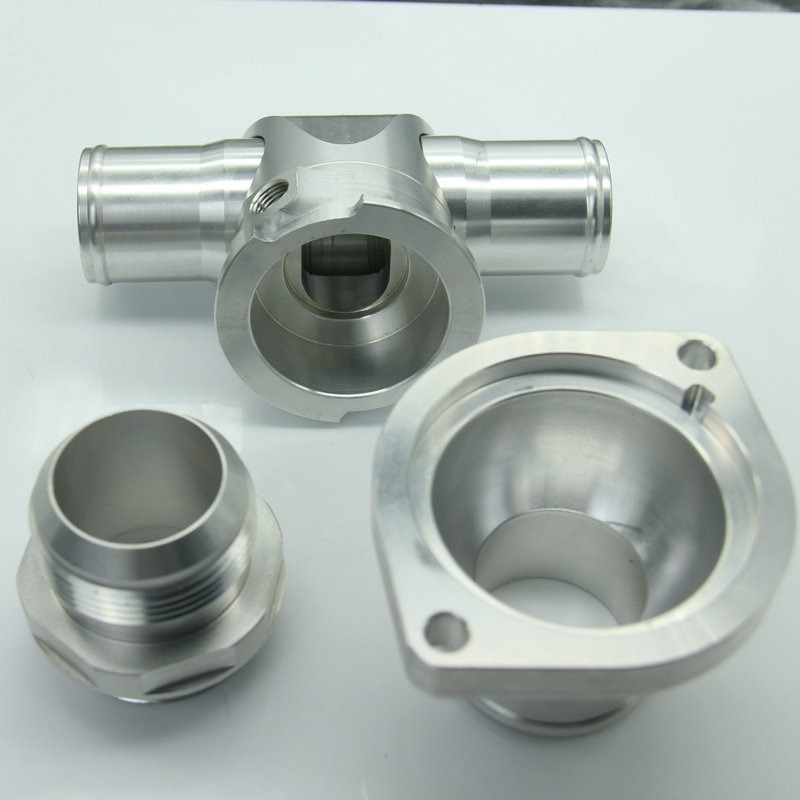
Definition of Surface Finish in Precision CNC Machining
Surface finish refers to microscopic uneven textures remaining on component outer and inner surfaces after CNC turning, milling and step turning processes, which is an indispensable technical indicator for high volume precision turned parts manufactured for new energy, medical, aerospace and automation industries.
Micro roughness is generated from cutting tool feed and blade contact status, heavily affected by feed rate, cutting speed and carbide insert sharpness; waviness comes from machine spindle vibration, workpiece bending deformation and thermal expansion during continuous high-volume production.
Classification & Ra/N Grade Surface Finish Scales
Different application scenarios of high-volume CNC machined components demand differentiated surface finish grades, and Haomaer provides four mainstream finish solutions covering rough blank processing to medical-grade mirror polishing for mass step turning shafts and precision pins.
- Rough Machining Finish: Formed by high-speed rough cutting, suitable for internal hidden non-fit features of low-cost general mechanical parts without strict surface requirements.
- Fine Standard Machining Finish: Produced with optimized turning parameters, widely adopted for conventional automotive and automation intermediate components.
- Grinded Precision Finish: Secondary abrasive grinding removes tool marks to reach tight Ra tolerance for bearing seat and precision journal parts.
- Mirror Polished Finish: Lapping and fine polishing to achieve ultra-low roughness for medical implant shafts and optical precision fittings.
Global mechanical engineers unify finish specification via Ra, Rz numerical values and ISO N-grade standards; Ra means average roughness height, Rz represents peak-valley average distance, while N1 to N10 grades divide finish from ultra-smooth superfinish to heavy rough cast surface, helping customers confirm finish requirement during DFM review before mass production.
Surface Finish Conversion Chart & Industrial Practical Applications
| N Grade | Ra(µm) | Ra(µin) | Applied Machining & Component Field |
|---|---|---|---|
| N1 | 0.025 | 1 | Superfinish medical miniature shaft, aerospace sealing parts |
| N4 | 0.2 | 8 | Mirror polish implant component, precision sensor pins |
| N5 | 0.4 | 16 | Fine turned medical grade stainless parts |
| N6 | 0.8 | 32 | Standard step turning automotive transmission shafts |
| N7 | 1.6 | 63 | General new energy motor shaft mass production |
| N9 | 6.3 | 250 | Rough blank turning for non-cast industrial parts |
Haomaer’s engineering team provides free DFM finish suggestion according to client’s drawing, material and batch quantity, adjusting surface process to balance production cost and practical performance for 10k to millions of high-volume CNC orders.
Custom Finish Options for Stainless Steel CNC Components
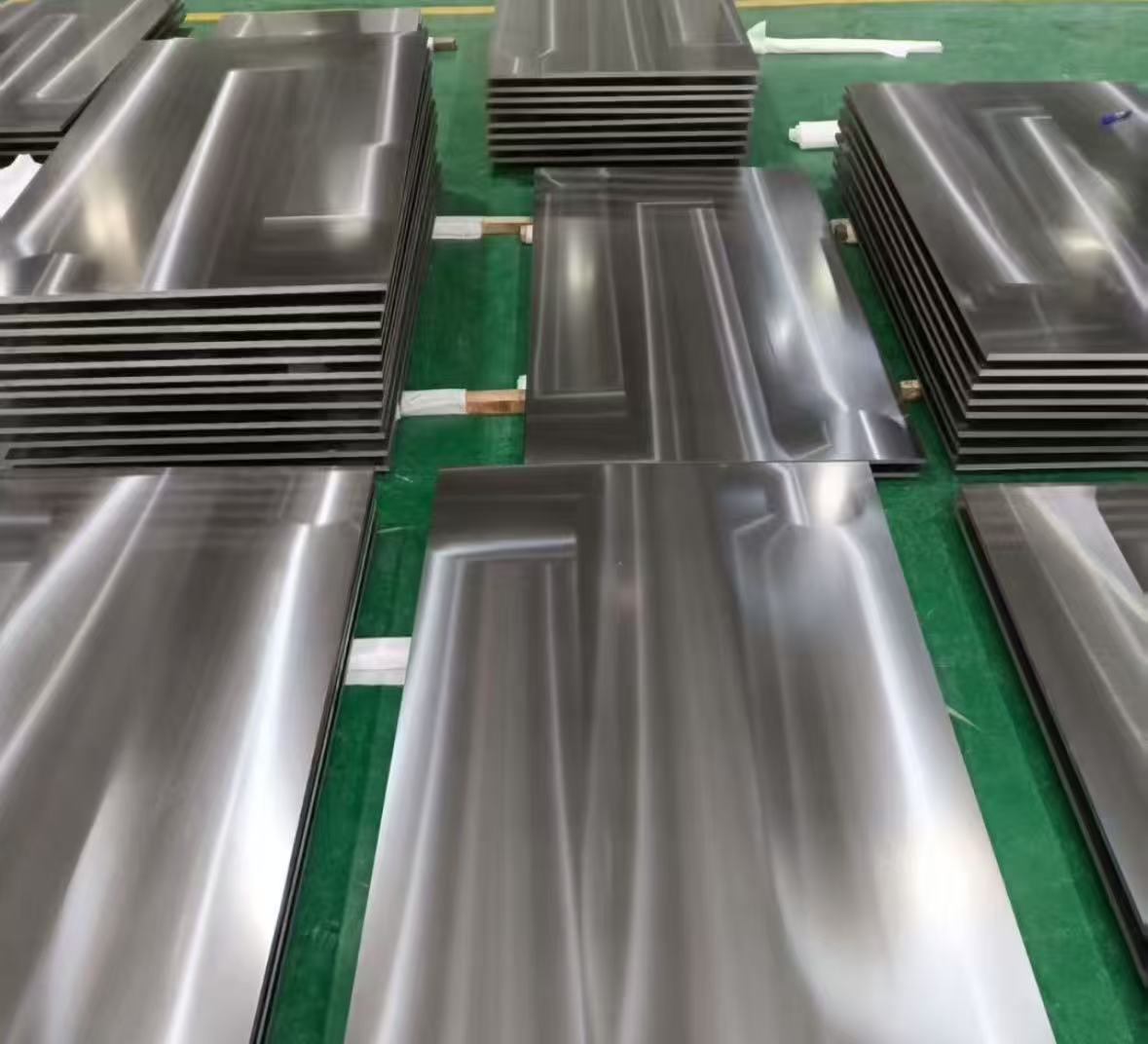
Stainless steel including 303,316L,17-4PH features obvious work hardening during CNC step turning, needing exclusive surface processing solutions for medical, food equipment and marine corrosion-resistant components, Haomaer supplies four mainstream stainless finish standards for mass orders.
- 2B Mill Finish(Ra0.3~0.5μm): Original stainless plate finish for food machinery housings and general corrosion-resistant parts.
- #3 Coarse Brushed Finish(Ra0.8~1.2μm): Visible coarse grain for kitchen equipment and architectural mechanical fittings.
- #4 Fine Brushed Finish(Ra0.4~0.8μm): Most popular stainless finish for automation equipment shell and instrument components.
- #8 Mirror Finish(Ra≤0.2μm): High gloss polish for surgical instrument parts and ultra-precision aerospace fittings.
We adopt sharp coated cutting inserts and full flood coolant in stainless steel high-volume turning to avoid built-up edge and surface scratching, effectively reducing scrap rate caused by unqualified surface roughness below 0.3% in batch production.
Four Main Surface Roughness Testing Methods
| Inspection Type | Working Principle | Application Scope |
|---|---|---|
| Contact Profilometer | Diamond stylus scans to record Ra/Rz data | Medical & aerospace critical finished parts, factory formal batch inspection |
| Non-contact Optical Test | Laser 3D surface scanning | Thin fragile miniature precision components |
| Reference Comparator Plate | Compare sample with standard roughness template | Workshop quick spot screening inspection |
| Visual & Tactile Check | Technician manual observation & touch test | Only preliminary rough product elimination |
Haomaer arranges periodic in-process roughness sampling during continuous high-volume step turning production, stopping production timely once abnormal surface data is detected to avoid large batch scrap loss.
Optimize CNC Parameters to Achieve Target Surface Roughness
Final surface finish of turned shafts and precision pins is determined by tool selection, spindle speed, feed rate, cutting depth, coolant type and machine fixture rigidity; our engineering team optimizes parameters for carbon steel, stainless, aluminum and titanium respectively for mass production.
- High nose radius finishing inserts effectively reduce feed marks to lower component Ra value.
- Lower feed per revolution during finish pass to get smoother machined surface.
- Adjust spindle surface speed according to material property to prevent tool overheating and workpiece work hardening.
- Adopt flood coolant for ferrous metal turning to eliminate built-up edge defect.
- Optimize fixture to reduce machine vibration and eliminate chatter marks on finished surface.
Practical Mass Production Optimization Cases from Haomaer
One automotive client’s transmission stepped shaft suffered consistent Ra>3.2μm roughness and high rejection rate in previous supplier’s mass production; our technical team reformed cutting tool geometry, adjusted finish feed and added independent fine turning pass after roughing.
After parameter optimization, finished part roughness steadily dropped to Ra1.2μm, client’s rework cost was reduced by nearly 40%, and we started long-term bulk step turning cooperation for monthly hundreds of thousands of component orders.
Comprehensive FAQ on CNC Surface Finish Requirements
Q1: What precise machining solutions can reach Ra0.8μm surface finish?
A1: To get stable Ra0.8μm finish for high-volume CNC turned parts, manufacturers need to select sharp fine carbide finishing tools, reasonably optimize feed rate and spindle RPM matching workpiece material; stainless steel processing requires sufficient continuous flood coolant to avoid built-up edge damaging finished surface, and partial high-precision parts need post-grinding to hit target roughness standard.
Q2: What industry components commonly adopt Ra0.4 ultra-smooth mirror finish?
A2: Ra0.4μm ultra-fine finish mostly relies on honing, lapping and precision grinding rather than conventional CNC step turning, widely used for medical implant pins, aerospace sealing shafts and high-end optical precision parts with strict sealing and wear resistance requirements.
Q3: What Ra value range is defined as qualified smooth CNC machined surface?
A3: Generally speaking, finished surface below Ra1.6μm counts as smooth precision finish for medical and aerospace applications; Ra3.2~6.3μm belongs to conventional standard finish for ordinary automotive and automation bulk components.
Q4: What inspection equipment does Haomaer use for batch surface roughness testing?
A4: We equip professional contact profilometer and non-contact laser optical roughness tester for formal batch outgoing inspection, using standard comparator plates for quick in-process workshop spot detection during high-volume continuous production.
Q5: Can you customize anodizing and bead blasting after CNC turning?
A5: Haomaer provides one-stop post-processing service including aluminum hardcoat anodizing, conductive anodizing, bead blasting, wire brushing and multiple polishing variants after step turning and milling for all bulk precision parts.
Final Summary of Custom Surface Treatment Solutions
Reasonable surface finish configuration is a core factor deciding finished part service life and assembly performance for high-volume CNC stepped shafts, miniature medical pins and new energy precision components across diversified industries.
As an ISO-certified high-volume precision CNC step turning manufacturer, Haomaer matches exclusive surface machining and post-treatment plans according to clients’ drawing specification, material grade and batch quantity, with complete surface roughness test reports delivered alongside every shipment of finished goods.
Get Free DFM & Custom Surface Finish Recommendation
Submit your 2D/3D CAD drawings, required Ra specification, material and order quantity, our professional engineering team will provide free DFM analysis and customized surface finish optimization suggestion within 24 working hours.
Contact Us Now For Free Quote