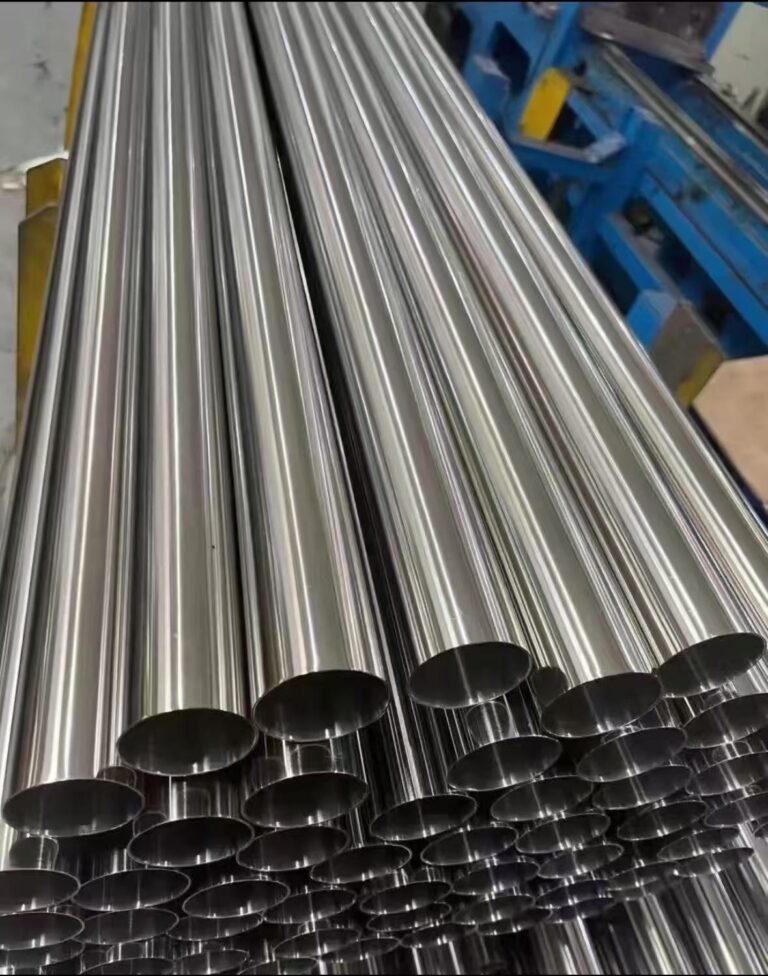


How to Ensure Stability & Cost Efficiency for High-Volume Precision Turned Parts

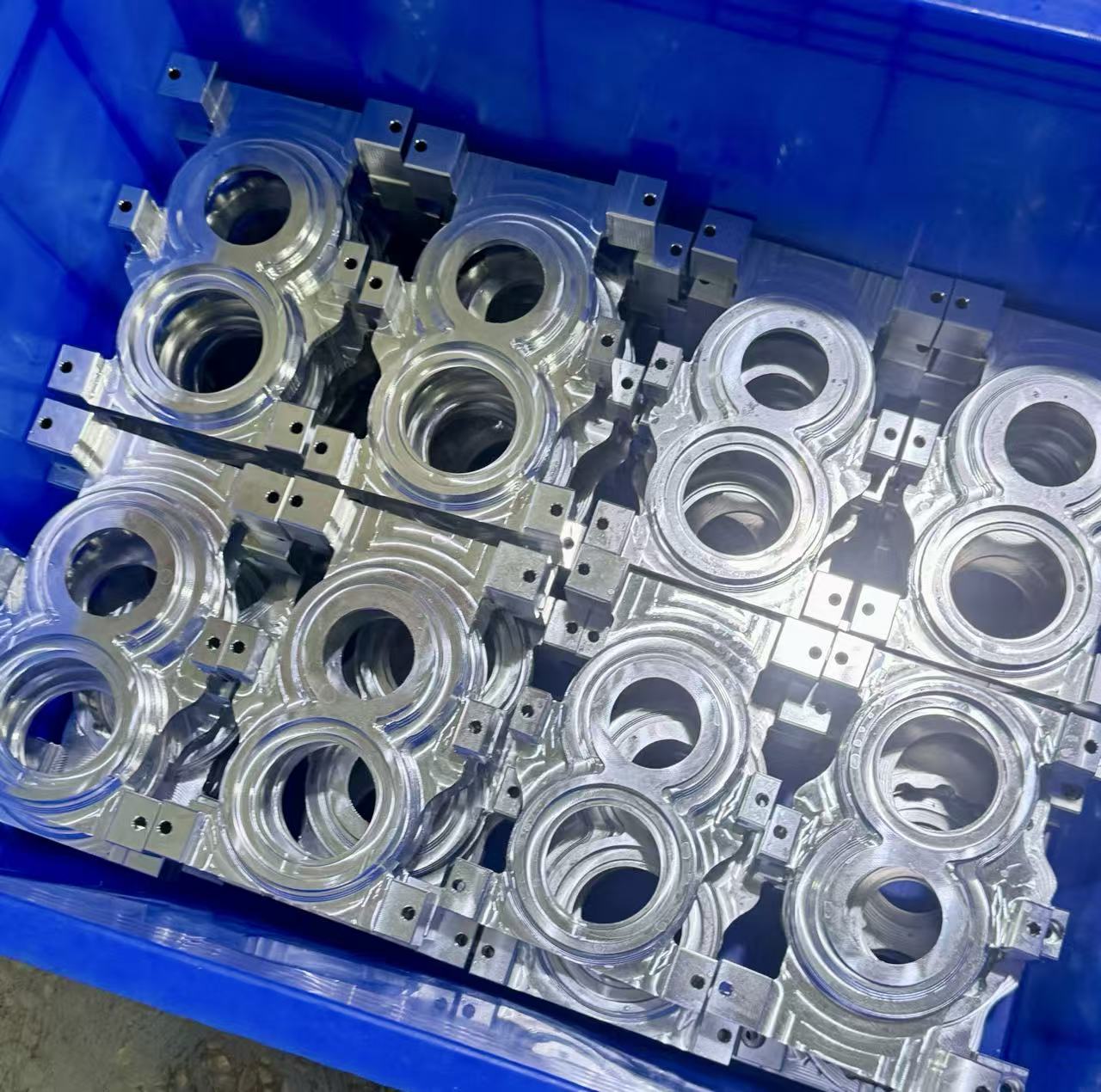
High-volume precision turned parts are the backbone of modern manufacturing in automotive, medical devices, semiconductors, and new energy industries. For procurement managers and engineering leaders, three goals matter most: consistent dimensional stability, controlled per-unit costs, and on-time delivery even for batches of 100,000 pieces or more.
Unfortunately, most manufacturers face frustrating challenges in mass production turning:
- Dimensional drift after producing thousands of parts
- Per-unit costs that exceed project budgets
- Long lead times that delay assembly lines
- Unstable quality leading to high scrap and rework rates
- Inconsistent surface finishes between early and late batches
In this detailed guide, we explain the real factors that affect batch stability, how to reduce production costs without losing precision, how to avoid common mistakes in high-volume turning, and how to select a CNC turning partner that can reliably support your mass production needs.
What Are High-Volume Precision Turned Parts?
High-volume precision turned parts are components produced in large quantities—typically 10,000 to 1,000,000 pieces or more—using automated CNC turning machines, Swiss-type lathes, or multi-spindle automatics. These parts require tight tolerances, often between ±0.001mm and ±0.01mm, and consistent quality across the entire batch.
They are used in critical applications where failure is not an option, such as automotive sensors, medical surgical tools, battery connectors, and semiconductor equipment components.
Why High-Volume Precision Turning Is Extremely Challenging
Many buyers mistakenly believe that mass production is simply “making more parts.” In reality, high-volume turning requires advanced machinery, optimized processes, stable materials, and real-time quality control.
Without a professional system, manufacturers commonly face:
- Size variation in long-running production cycles
- Tool wear that causes dimensional changes
- High machine downtime and low efficiency
- Unpredictable costs and delayed deliveries
- Material inconsistencies leading to quality issues
- High scrap rates that increase total cost
Key Factors That Determine Success in Mass-Produced Turned Parts
1. Stable CNC Equipment & Automated Production Lines
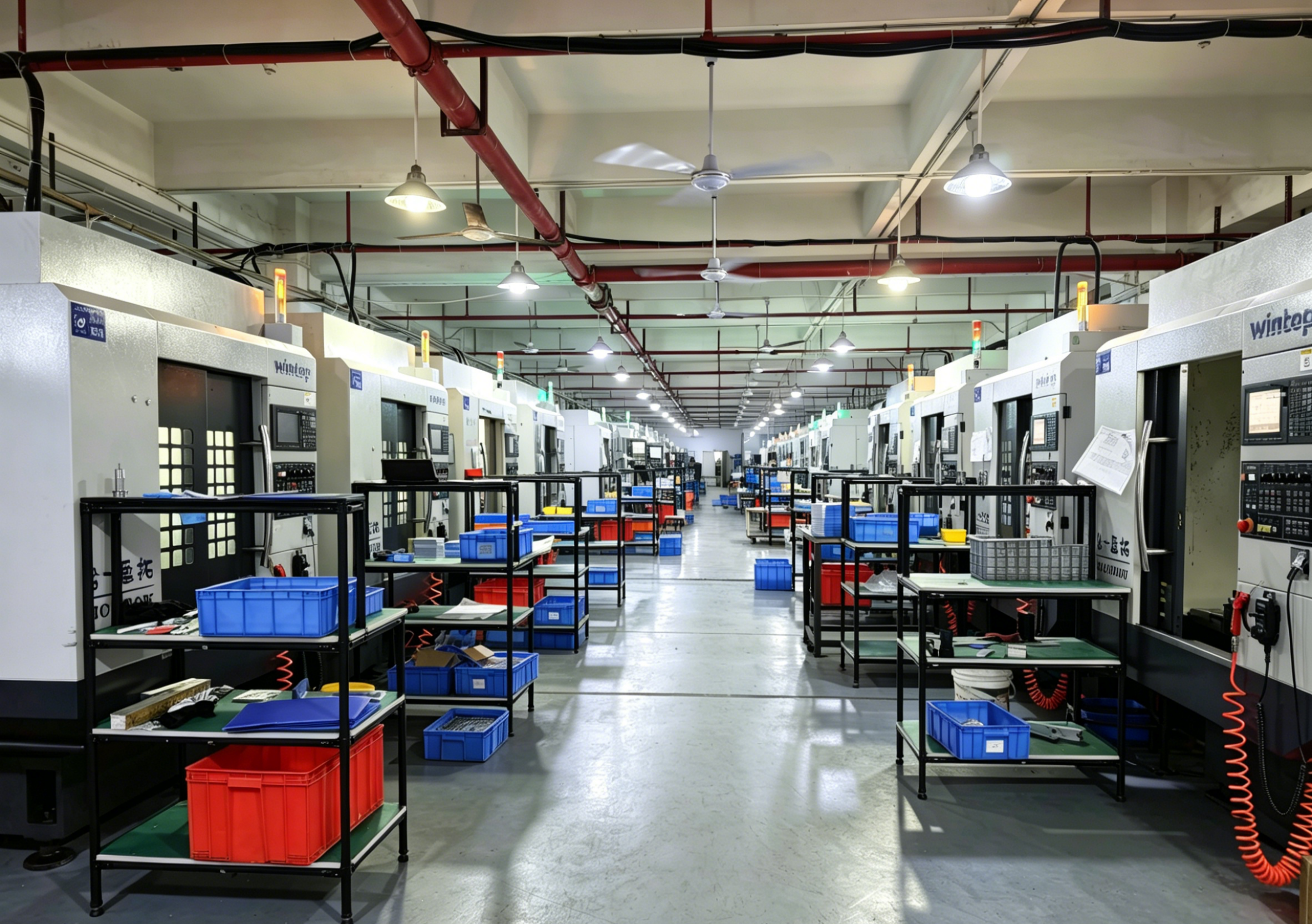
The foundation of high-volume turning is reliable machinery. Swiss-type lathes and multi-axis CNC turning centers with automatic bar feeders enable 12+ hours of unattended processing. This reduces human intervention, improves consistency, and allows stable production across large batches.
Automated chip removal and cooling systems also prevent heat buildup and part deformation during long runs.
2. Optimized Cutting Parameters & Custom Tooling
Generic machining parameters fail in high-volume environments. Professional manufacturers use customized cutting speeds, feed rates, and cooling systems to reduce tool wear and maintain precision.
Custom-coated tools also last longer, reducing downtime and ensuring dimensions remain stable from the first piece to the last piece in a 100,000-piece batch.
3. Strict In-Process Quality Inspection
Inspection cannot only happen at the end of production. Real-time monitoring and frequent sampling detect issues early, preventing quality failures across thousands of parts.
Advanced factories use automated measuring tools to check dimensions at set intervals, ensuring zero drift and full batch consistency.
4. Consistent Raw Material Supply
Material hardness, composition, and quality directly affect turning results. Fluctuations in raw materials lead to inconsistent tool performance and dimensional errors.
Reliable manufacturers only use certified materials with full traceability to ensure batch-to-batch consistency.
5. Experienced Engineering & Process Design
Before mass production begins, professional suppliers conduct DFM (Design for Manufacturability) analysis to optimize part design, simplify production, and reduce costs. This step prevents production issues before they start.
Common Mistakes That Ruin High-Volume Turning Projects
Many buyers unknowingly make critical errors that increase cost, reduce quality, and delay delivery:
- Choosing suppliers based only on low price, not stability
- Ignoring DFM analysis before mass production
- Using generic machining parameters for long runs
- Working with factories that lack real-time monitoring
- Not validating supplier capacity before placing orders
How Haomaer Ensures Stability & Reduces Cost for High-Volume Orders
Ultra-Stable Dimensional Consistency
We maintain tolerance variation within ±0.002mm for batches over 100,000 pieces. Our real-time monitoring systems and monthly machine calibration ensure every part meets your required specifications.
Cost Reduction by 35%–60%
Through free DFM analysis, custom tooling, automated production, and reduced scrap rates, we lower per-unit costs significantly without compromising precision or surface quality.
Fast Lead Time & Flexible Capacity
We support rapid capacity expansion within 7 days for urgent orders. Our production lines handle everything from prototype development to mass production with consistent quality and short lead times.
Full-Process Quality Control
We perform incoming material inspection, in-process sampling, and final CMM inspection to ensure zero defects. All batches come with complete inspection reports.
One-Stop Manufacturing Service
We offer turning, milling, heat treatment, surface finishing, plating, and assembly under one roof. This eliminates the need for multiple suppliers and reduces lead times.
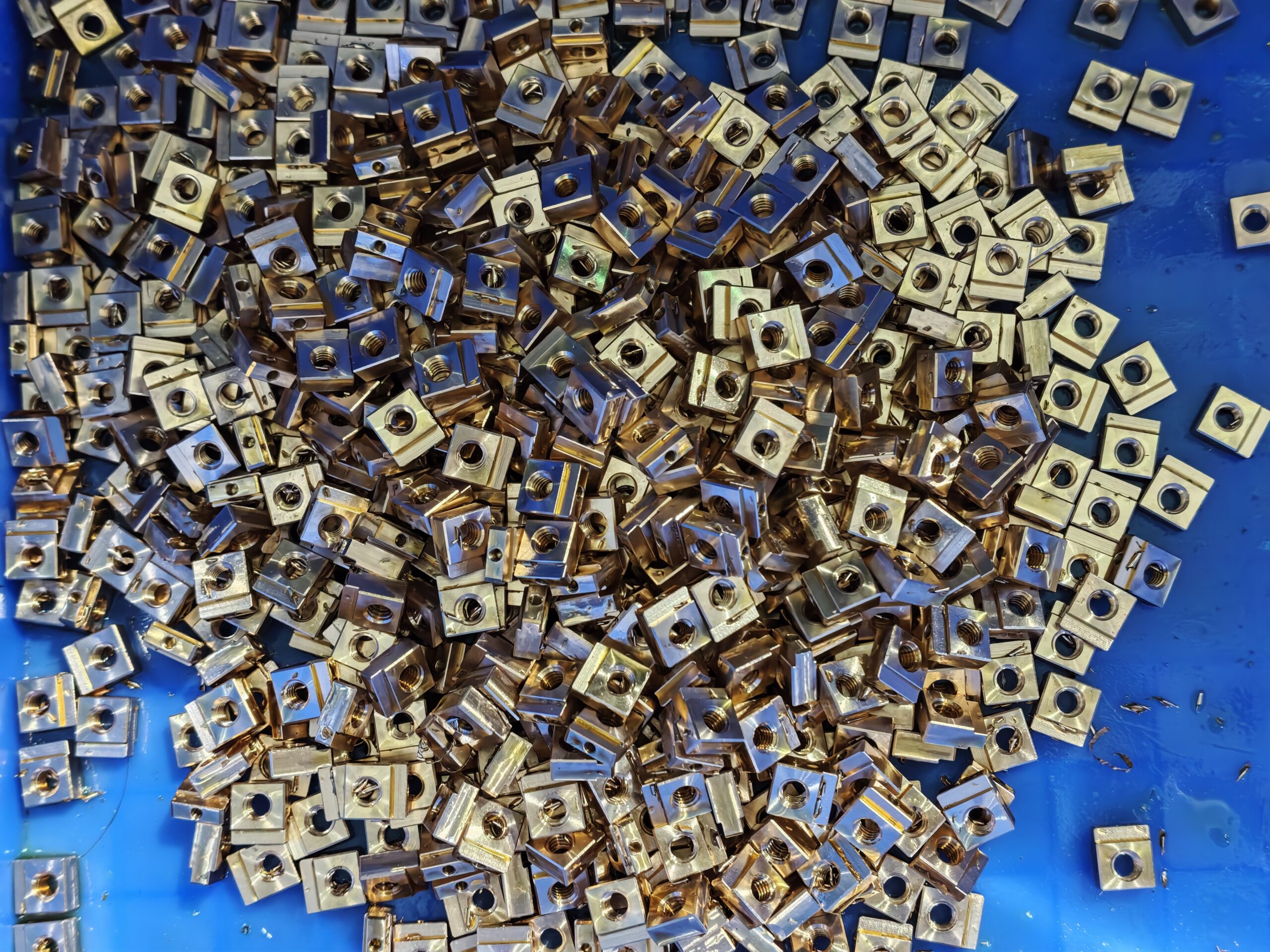
Industries We Serve for High-Volume Precision Turned Parts
New Energy Vehicles
Battery terminals, motor shafts, sensor components, hydraulic valves, cooling system connectors.
Medical Devices
Surgical instrument parts, micro pins, non-magnetic components, implant-grade parts, and device housings.
Aerospace & Automation
Lightweight bushings, actuator shafts, gear blanks, precision pins, and hydraulic fittings.
Semiconductor & Electronics
Miniature shafts, conductive terminals, test pins, camera components, and connector parts.
How to Select the Best High-Volume Precision Turning Partner
When choosing a supplier, evaluate these critical factors:
- Stable automated equipment for mass production
- Proven track record in high-volume orders
- In-house quality control and CMM inspection
- Free DFM analysis and engineering support
- Flexible capacity for urgent orders
- Consistent quality across large batches
- Full material traceability and certifications
Conclusion: Stability & Efficiency Are the Keys to Success
High-volume precision turned parts require more than just fast production—they need stable processes, strict quality control, optimized costs, and reliable delivery. By partnering with an experienced mass production turning specialist, you can reduce costs, improve quality, and eliminate supply chain risks.
At Haomaer, we specialize in solving the hardest challenges in high-volume CNC turning. We combine advanced machinery, professional engineering, and strict quality systems to deliver parts that meet your precision and cost goals.
Get Free DFM Analysis & Custom Quote
If you are planning a high-volume precision turned parts project, we can help you optimize design, improve stability, and lower total production cost.
Send your 2D/3D drawings, order quantity, and tolerance requirements. Our engineering team will respond within 24 hours.
Contact Us Now