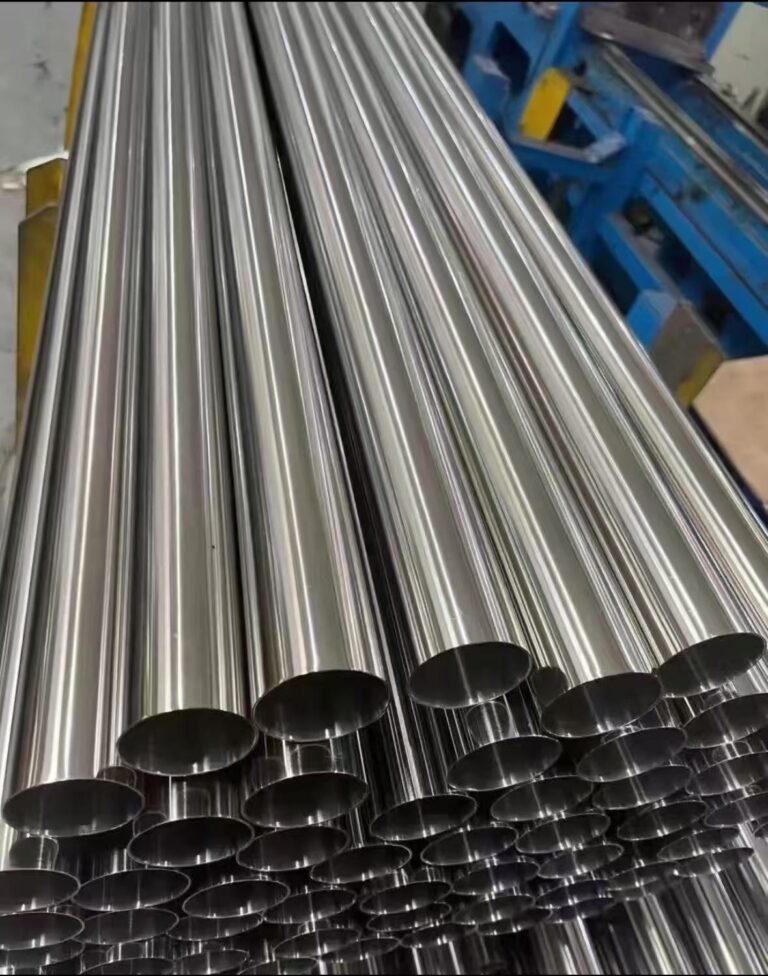


CNC Machining Comparison of 304, 316 and 18-8 Stainless Steel

Introduction
When selecting stainless steel for CNC machined parts, the most common confusion is between 304 stainless steel, 316 stainless steel, and 18-8 stainless steel. Engineers and buyers often mix up these grades, which directly impacts corrosion resistance, machining difficulty, part quality, and cost.
This guide breaks down 18-8 vs 304 vs 316 stainless steel differences, compares their chemical composition, mechanical properties, CNC machinability, and typical applications, and helps you choose the best stainless steel grade for your CNC projects—whether for medical devices, marine parts, food equipment, or industrial machinery.
What Is 18-8 Stainless Steel?
18-8 stainless steel is a widely used industry term for austenitic stainless steel with approximately 18% chromium and 8% nickel. It is not an official grade but a common reference.
- 18% Chromium: Provides basic corrosion resistance
- 8% Nickel: Stabilizes austenitic structure, improves toughness
- Equivalent to 304: In most cases, 18-8 = 304 stainless steel
304 Stainless Steel: The Most Popular CNC Grade
304 stainless steel (also known as 18-8 stainless steel, A2 stainless steel) is the most common, versatile, and cost-effective austenitic stainless steel for CNC machining.
Chemical Composition
- Chromium: 18–20%
- Nickel: 8–11%
- No Molybdenum
Key Benefits
- ✅ Excellent general corrosion resistance
- ✅ Easy CNC machining
- ✅ Cost-effective
- ✅ Good strength & toughness
- ✅ Food-safe, non-magnetic
Common Applications
- Food processing equipment
- Kitchen appliances
- Medical housings
- General machinery parts
- Brackets, fasteners, covers
316 Stainless Steel: Marine & Medical Grade
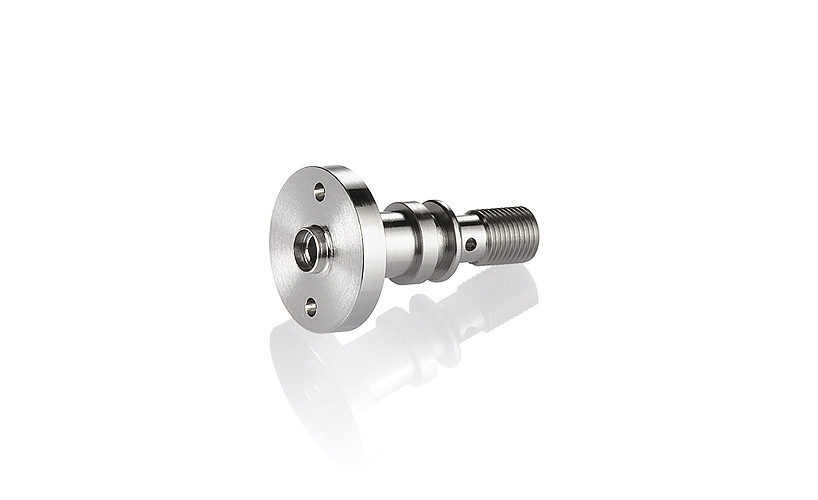
316 stainless steel (marine grade stainless steel) is an upgraded austenitic grade with 2–3% molybdenum (Mo).
Chemical Composition
- Chromium: 16–18%
- Nickel: 10–14%
- Molybdenum: 2–3%
Key Benefits
- ✅ Superior corrosion resistance (pitting/crevice)
- ✅ Resists saltwater, chemicals, acids
- ✅ Medical-grade biocompatible
- ✅ High-temperature strength
Common Applications
- Marine parts, seawater equipment
- Medical implants, surgical tools
- Chemical processing parts
- Pharmaceutical equipment
- High-corrosion industrial components
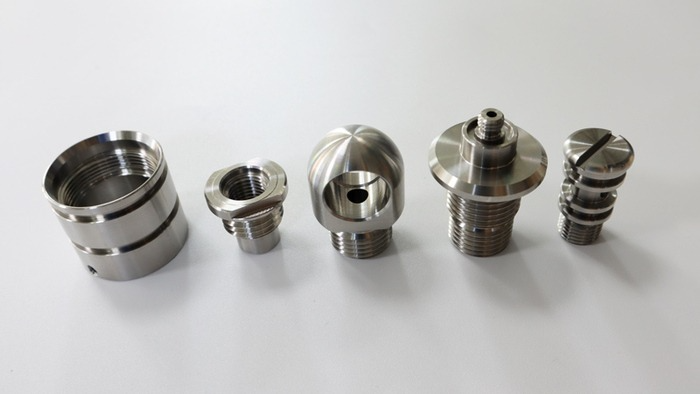
18-8 vs 304 vs 316: Side-by-Side Comparison
| Grade | Corrosion | Machining | Cost | Best For |
|---|---|---|---|---|
| 18-8 / 304 | Good | Easy | Low | General, Food |
| 316 | Excellent | Hard | High | Marine, Medical |
Get Expert Stainless Steel CNC Machining Support
Choosing between 304, 316, and 18-8 stainless steel depends on your environment, function, budget, and machining requirements.
If you are unsure which grade fits your project, send your 2D drawings and 3D CAD files. Our CNC engineers provide free material recommendation, DFM analysis, and cost optimization for stainless steel CNC parts.
We specialize in precision CNC machining for medical, marine, food, and industrial stainless steel components—prototypes to mass production.