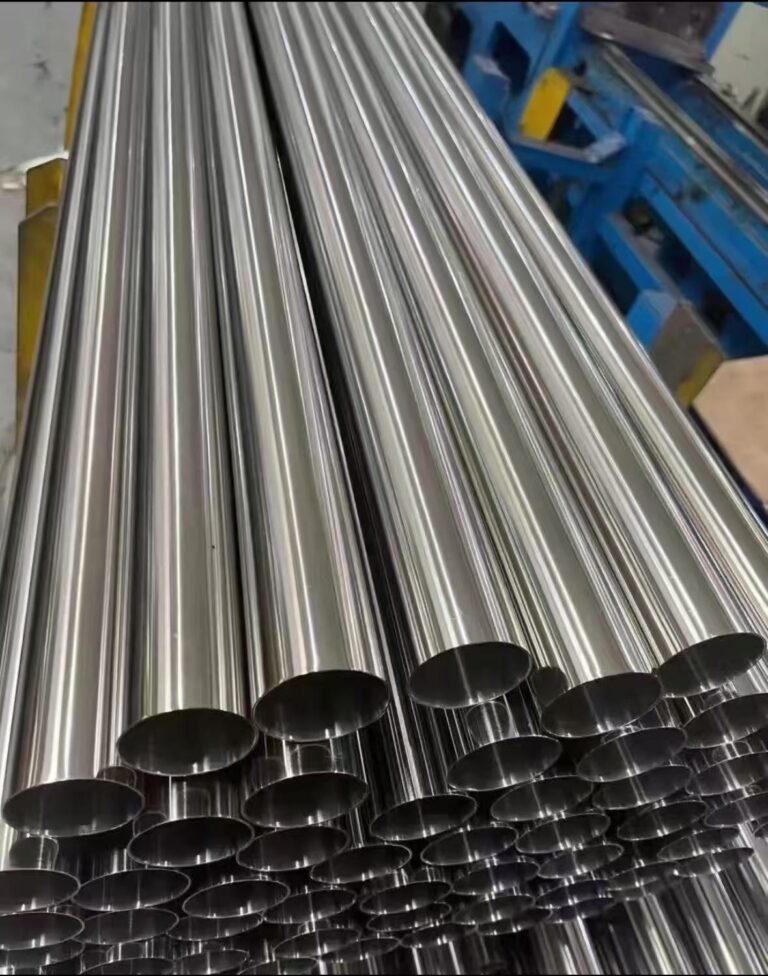


Practical CNC Machining Solutions for DIY & Small‑Batch Projects

For DIY creators, hobbyist designers, and small startup teams, turning digital CAD designs into real, functional parts is often more difficult than it seems. Many perfectly designed models fail in physical production: thin walls warp, materials break under load, assembly does not fit, small-batch costs become too high, or lead times drag on for weeks. Most online CNC machining guides only cover basic concepts, but they do not solve the real pain points that DIY creators actually face. At Haomaer Precision, we focus on helping small creators and DIY designers bring ideas to life with reliable, affordable, and precise precision CNC machined parts. In this guide, we explain real challenges, share complete industry cases, and provide actionable solutions you can use immediately for your projects.
Why CNC Machining Is the Best Choice for DIY & Small‑Batch Projects
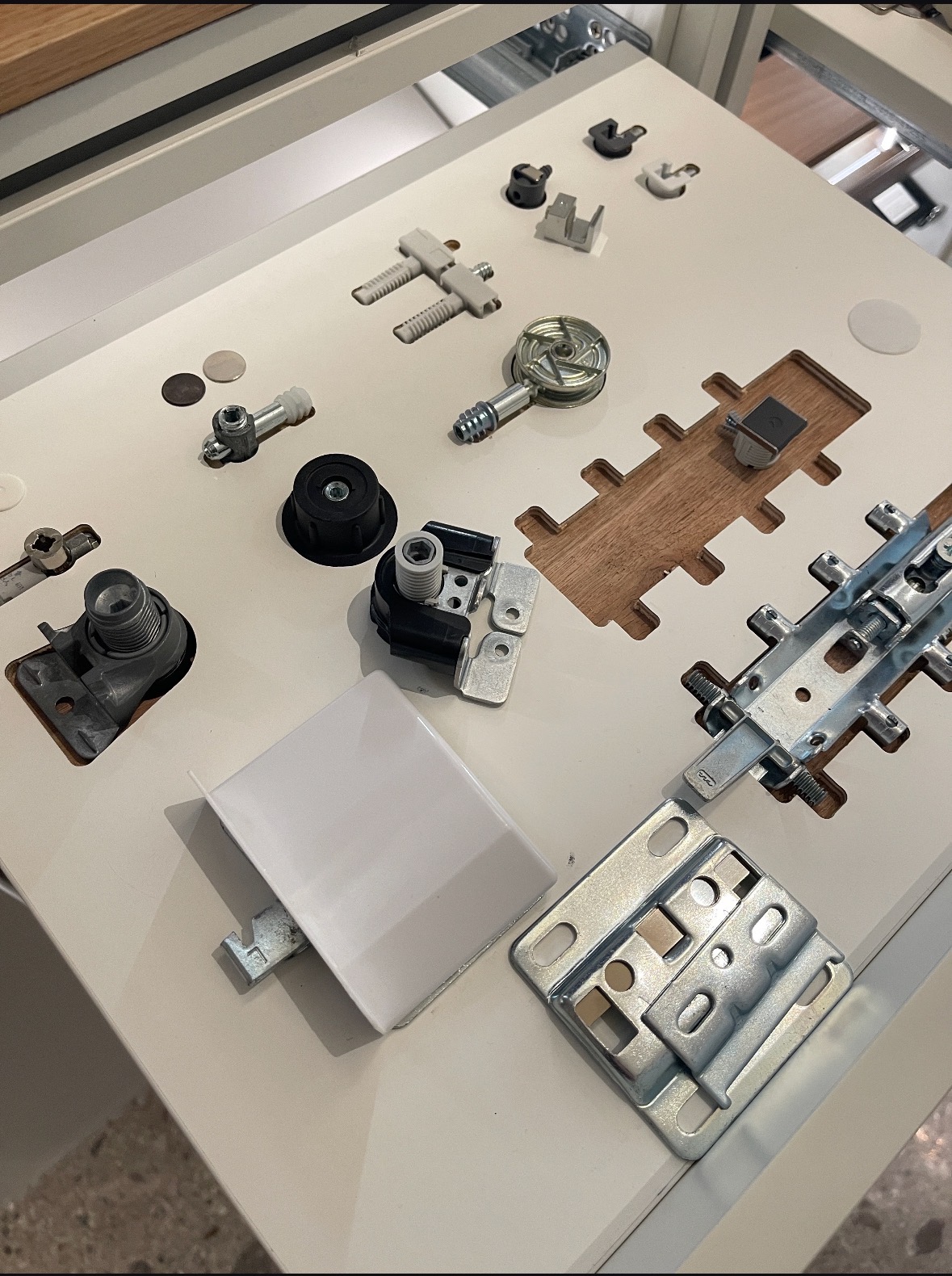
Unlike 3D printing, which has low strength, poor accuracy, and easy deformation, CNC machining offers high rigidity, stable dimensions, wide material compatibility, and excellent surface finish. It supports one-off prototypes, small-batch production, and functional parts that require strength and durability. For DIY projects such as smart home devices, robotic models, custom instruments, decorative products, and mechanical tools, CNC machining provides reliability that 3D printing cannot match.
CNC machining supports a wide range of materials, including aluminum, stainless steel, nylon, POM, and acrylic. This versatility allows DIY designers to create parts that truly meet functional and structural needs, not just visual appearance.
Common DIY Project Failures and Their Root Causes
Most DIY project failures are not caused by bad design, but by a lack of manufacturing knowledge. The three most common issues include:
- Thin-wall components warp or bend after machining, making assembly impossible
- Material selection does not match actual working conditions, leading to cracking or rapid wear
- Small-batch production costs are too high due to poor layout and repeated rework
Real DIY CNC Machining Cases (With Practical Solutions)
Case 1: Smart Home Sensor Housing – Warping Fixed Completely
A DIY tech designer created a slim aluminum housing for a smart sensor. The wall thickness was only 0.8 mm, which looked perfect in CAD. However, after machining, the side walls bent nearly 0.3 mm, making assembly impossible.
The root cause was clamping pressure and tool cutting force during machining. We solved it by using vacuum fixturing to hold the part evenly and separating roughing and finishing cuts to reduce internal stress. After optimization, warpage was controlled within 0.02 mm. The housing fit perfectly, and all assembly issues disappeared.
Case 2: Mini Robot Gear Set – Material Mistake Fixed for Strength
A hobbyist designed a set of small robot gears and chose acrylic because of its clean appearance. During testing, the teeth cracked under light load, and wear occurred rapidly.
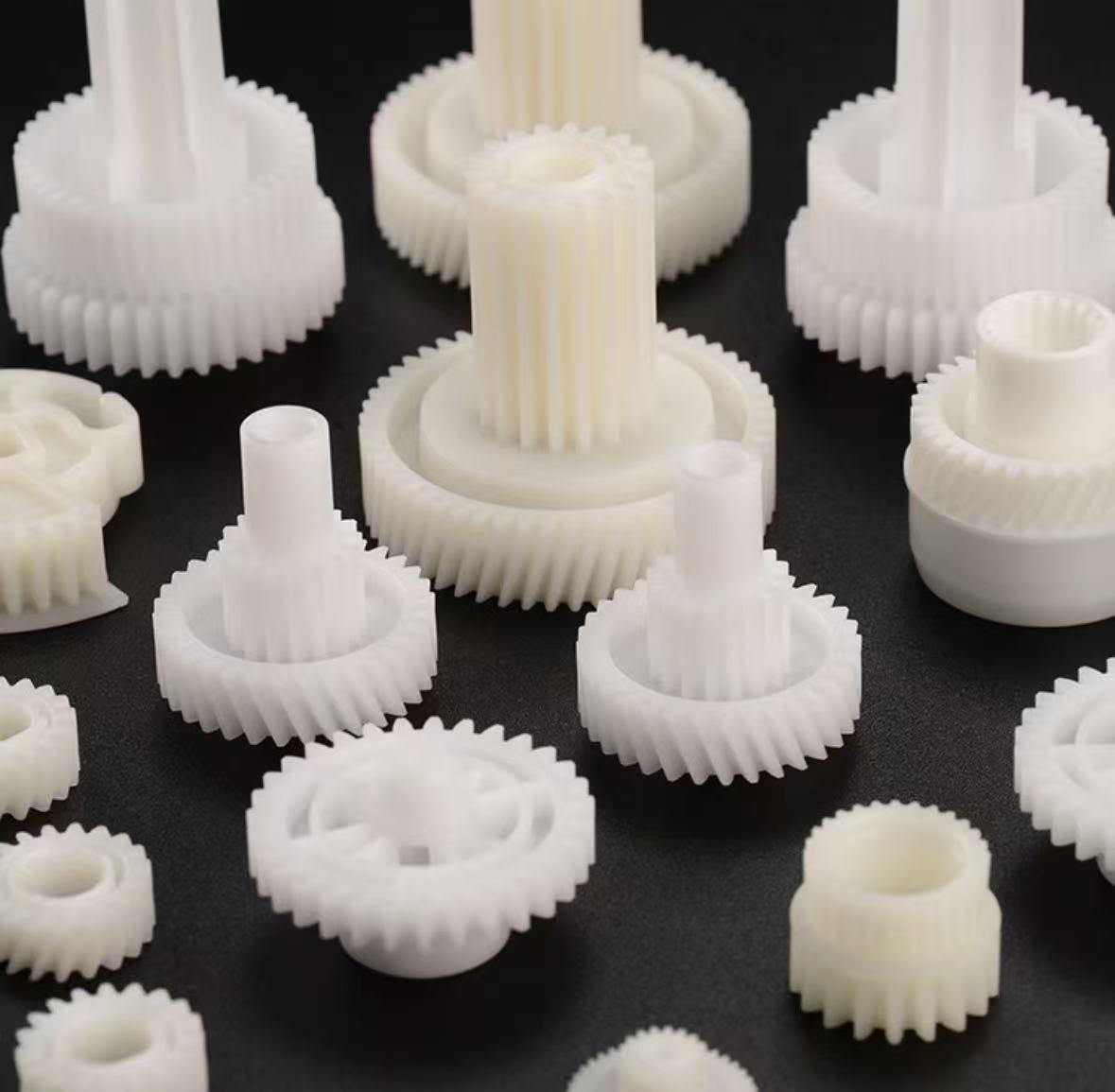
Acrylic is brittle and not suitable for moving parts. We recommended switching to black nylon (POM), a high-wear-resistance engineering plastic. We also optimized the tooth profile and adjusted cutting parameters. The new gears could withstand five times more load with almost no wear, and the robot operated smoothly for long hours without failure.
Case 3: Custom Decorative Lamp Bases – Cost Reduced by 40%
A creative designer needed 25 custom acrylic lamp bases for a small exhibition. Local suppliers quoted high prices and long delivery times.
We optimized the tool paths, nested multiple parts on one sheet to reduce material waste, and used standard-size acrylic panels. The total cost dropped by 40%, and all parts were completed and delivered in just four days with consistent quality and finish.
Practical CNC Tips for DIY Designers
These are not generic tips—they are based on real DIY project experience and can help you avoid common mistakes:
- Keep wall thickness at 1mm or above for aluminum parts to avoid warping
- Use vacuum fixturing if you need thinner walls for special design requirements
- Choose aluminum for lightweight, strong, and heat-dissipating functional parts
- Use POM or nylon for gears, moving components, and wear-resistant parts
- Use acrylic only for visual, decorative, or transparent parts—not for structural use
- Nest multiple small parts together to reduce material cost and processing time
- Always make 1–2 prototypes before small-batch production to avoid rework
How to Prepare DIY Designs for Successful CNC Machining
Many DIY creators submit designs without considering manufacturing constraints. A few simple changes can save you time, money, and frustration.
First, avoid overly thin walls and sharp internal corners that increase processing difficulty and cost. Second, define proper tolerances for assembly features to ensure good fit. Third, choose the right material early based on how the part will be used. Fourth, work with a CNC supplier willing to review your design and provide suggestions before production.
At Haomaer Precision, we offer free design review for all DIY and small-batch customers. We check for potential warping, assembly issues, material mismatch, and cost inefficiency—so you don’t have to learn through expensive mistakes.
Why Choose Haomaer Precision for DIY CNC Projects
We understand DIY creators and small designers need affordable pricing, fast delivery, and consistent quality. We do not require large orders or high setup fees. We treat every project with the same attention to detail, from one prototype to 100 small-batch parts.
We produce high-quality precision CNC machined parts in aluminum, stainless steel, acrylic, POM, nylon, and other materials for DIY projects, robotic models, smart home devices, art installations, and small business products.
For more CNC machining tips, project guides, and real creator stories, visit our blog page regularly.
If you have a DIY design ready and want to turn it into real, reliable parts without stress, contact Haomaer Precision today for a free quote and professional advice.